Three reasons to clean your air ducts
The EPA says to consider cleaning when one of these is true. EPA Switch off your furnace and AC first. Then take a flashlight and lift a vent cover (register) to look inside.
Substantial visible mold
The EPA says to consider cleaning for "substantial visible mold growth inside hard surface (e.g., sheet metal) ducts or on other components." EPA Look for fuzzy or dark patches inside the vent, on the duct wall, and on the furnace and AC parts you can see.
Don't trust your eyes alone. A substance can look like mold and not be mold. Only an expert can say for sure, and it may need lab analysis. Ask any company that says you have mold to show it to you. EPA
Rodents or insects
The second reason is ducts "infested with vermin, e.g. (rodents or insects)." EPA Look for droppings, chewed material, nesting material, or dead insects near the opening. Scratching or a sharp smell from a vent is also worth noting.
Ducts clogged with dust and debris
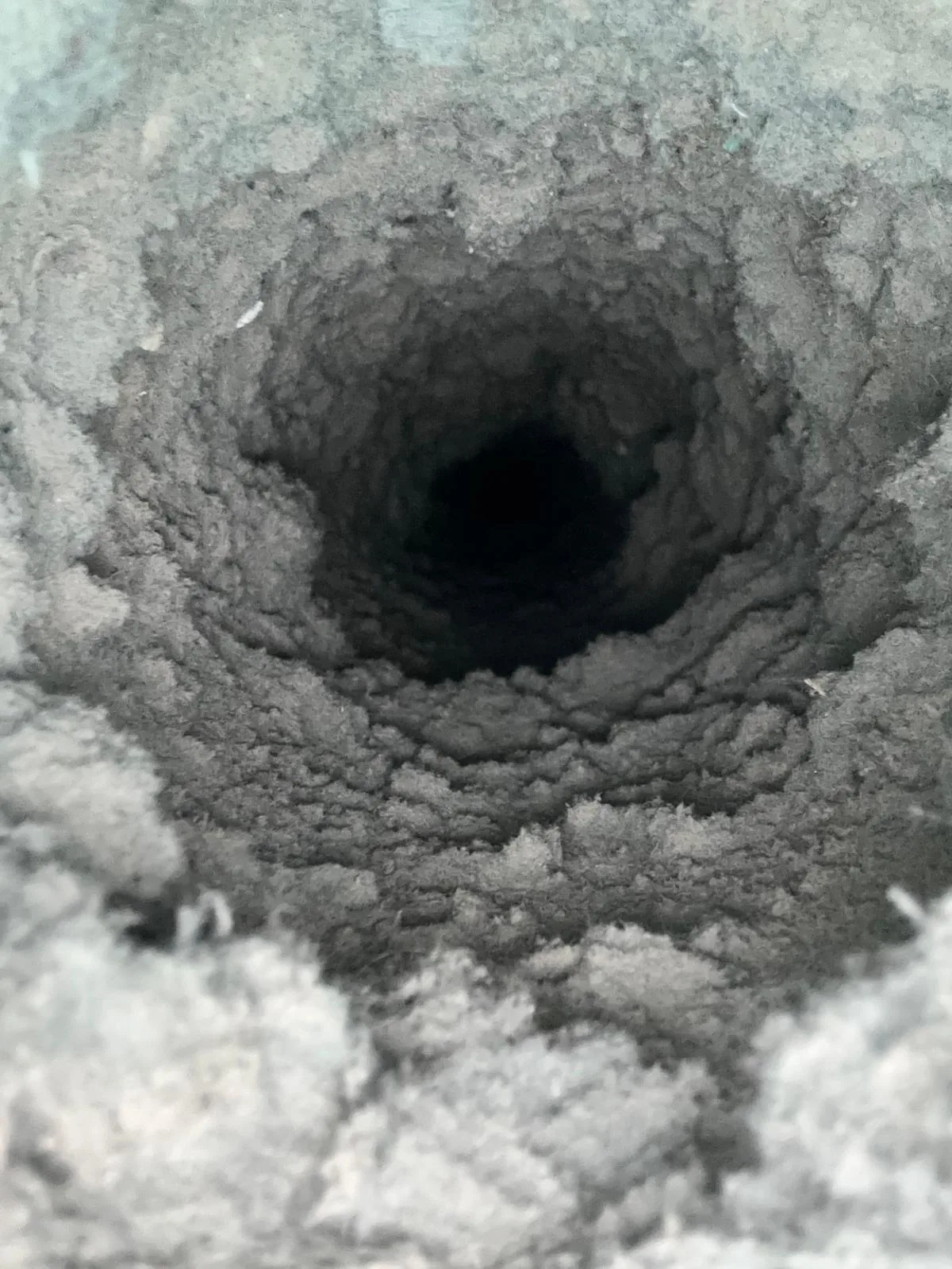
The third reason is ducts "clogged with excessive amounts of dust and debris and/or particles are actually released into the home from your supply registers." EPA Watch a supply vent (it blows air out) when the system starts. If dust or debris puffs out, note it. Thick, matted buildup you can see inside is another sign.
A dusty return vent (it pulls air in) is normal. It doesn't mean the ducts are dirty, and you can vacuum or wash the cover. EPA
If any of the three is true, the EPA says you must also fix the underlying cause, or the problem will likely come back. EPA Cleaning alone isn't the fix.
How often should air ducts be cleaned?
Air ducts have no set cleaning schedule. The EPA says not to hire anyone who recommends duct cleaning as a routine part of system maintenance. EPA Clean when one of the three reasons is true.
A move into a home with unknown history is a good time to inspect the ducts, not to clean them. So is a renovation that put dust into the system. For the whole system, see how often to clean air ducts, with a schedule for filters, the furnace, the AC and the dryer.
Reasons that aren't enough on their own
- A coupon or a low price. A discount says nothing about the state of your ducts.
- Allergies alone. The EPA says duct cleaning "has never been shown to actually prevent health problems." EPA
What to ask any duct cleaner
- Get quotes from at least three providers, and check their references. EPA
- Ask whether they hold any state licenses. EPA
- Be wary of anyone who claims to be certified by the EPA. The EPA doesn't certify duct cleaners. EPA
Keep ducts clean longer
How to spot a duct cleaning scam
You can slow dirt and moisture without cleaning. EPA
- Change your filters regularly, and more often if they clog.
- Check that no filter is missing and that air can't slip around the filter holder.
- Keep moisture out. Repair leaks and water damage promptly.
- Make sure the drain pan under your cooling coil slopes toward the drain, and have the coil and pan cleaned during system service.
- During dusty renovation work, seal off the vents and leave the system off until you clean up.
Leaky ducts also waste energy. ENERGY STAR says a typical duct system loses about 20 to 30 percent of its air to leaks, holes and poor connections. ENERGY STAR