How to tell
Mold can look like spots of many different colors, and it can smell musty. CDC With the system off, lift a vent cover and shine a flashlight in. Look on the duct wall, and on any furnace and AC parts you can see.
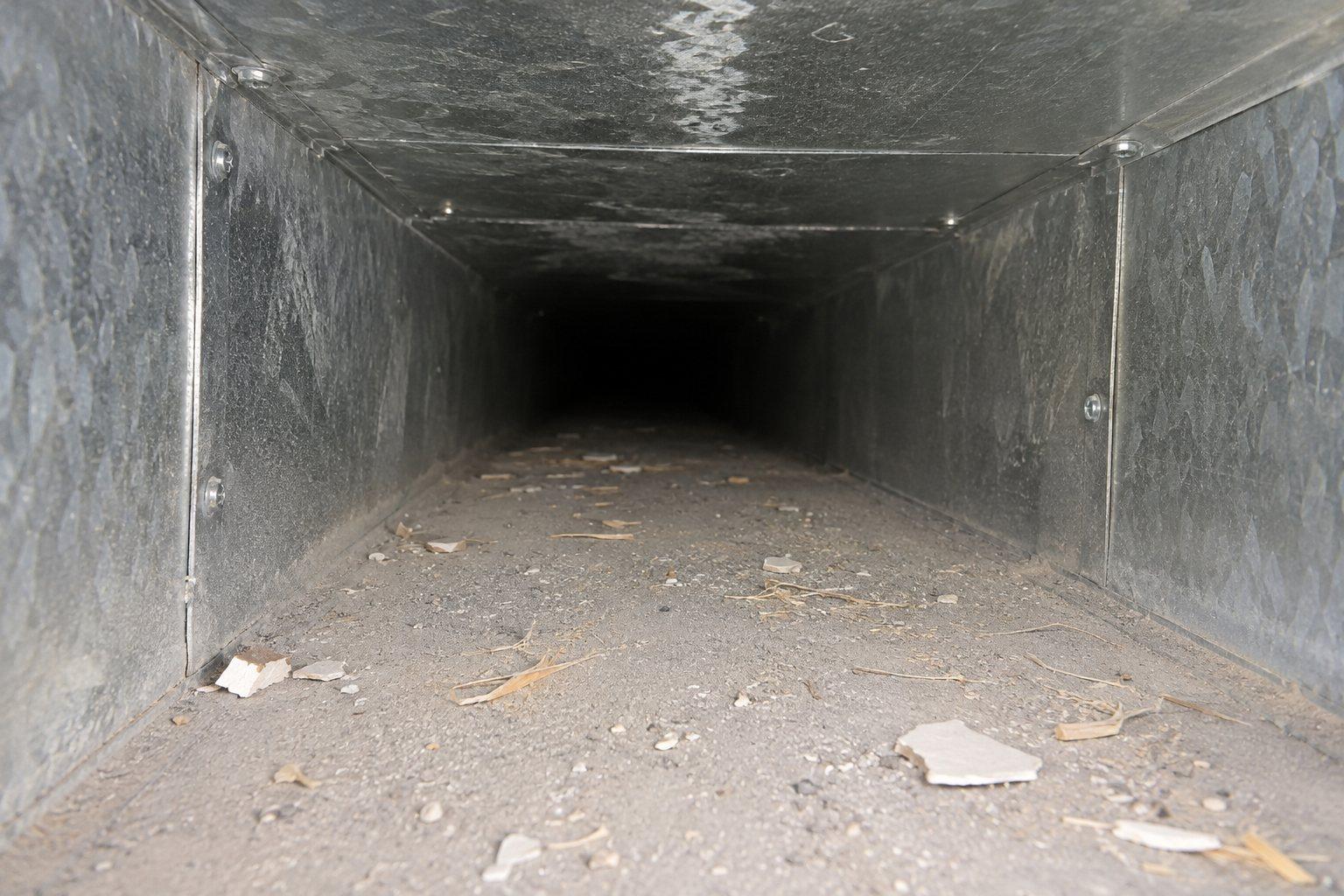
Don't decide from a glance. The EPA says a substance can look like mold and not be. Only an expert can say for sure, and it may take a lab test. EPA
Do you need a mold test?
Usually not. The CDC doesn't recommend mold testing. CDC The EPA says that when mold is visible, sampling is unnecessary in most cases. EPA
Be wary of a cleaner who tests on the spot and finds mold. NADCA tells homeowners not to rely on an instant mold test. NADCA Ask to see what they found, in your own ducts. How to spot a duct cleaning scam
If you think it's mold, leave the system off
The EPA says not to run the heating and cooling system if you know or suspect it has mold in it. Running it could spread mold through the house. EPA
Fix the moisture first
"The key to mold control is moisture control," in the EPA's words. EPA If the cause isn't fixed, the EPA says the mold will grow back after any cleaning. EPA
- Find the water: a leak, condensation on a cold duct, or a clogged drain pan under the cooling coil.
- Dry anything wet within 24 to 48 hours. EPA
- Keep indoor humidity below 60 percent, and ideally between 30 and 50. EPA
- Have the cooling coil and drain pan cleaned during system service. EPA
What cleaning can and can't do
- A cleaner can clean bare metal ducts. Mold growth on sheet metal is the case the EPA names as a reason to clean. EPA
- Wet or moldy duct insulation can't. The EPA says to remove it and replace it. EPA A quote that promises to clean it is a reason to ask questions.
- Sprays don't replace removal. The EPA has registered no chemical biocide for use inside insulated ducts. EPA Sanitizers, sealants and UV lights
- No home is free of spores. The EPA says it is impossible to get rid of all mold and mold spores indoors. EPA
What it means for your health
For some people, mold can cause a stuffy nose, sore throat, coughing or wheezing, burning eyes, or a skin rash. CDC If you see or smell mold, the CDC says to remove it. CDC
That is a reason to deal with mold, not a promise about duct cleaning. The EPA says duct cleaning has never been shown to prevent health problems. EPA Talk to a doctor about symptoms.
What we do when we find it
We photograph what the camera finds and show you, and we don't call it mold without saying how sure we are.
Not sure what you saw? Answer eight questions on Do I need duct cleaning?